In winter season, when it comes to heating applicances you may be wondering which options is worth your money. An AC or a Heater.
In the freezing days of winter, cold floors & rooms never seems to warm up. Right? And, on top of that high electricity bills or buying the wrong appliances can make the season feel even colder.
We know, you want a cozy home and warm evnvironment to work in the office, but you also want to be smart with the wallet. Both ACs and heaters can keep you warm, but they do it in different ways.
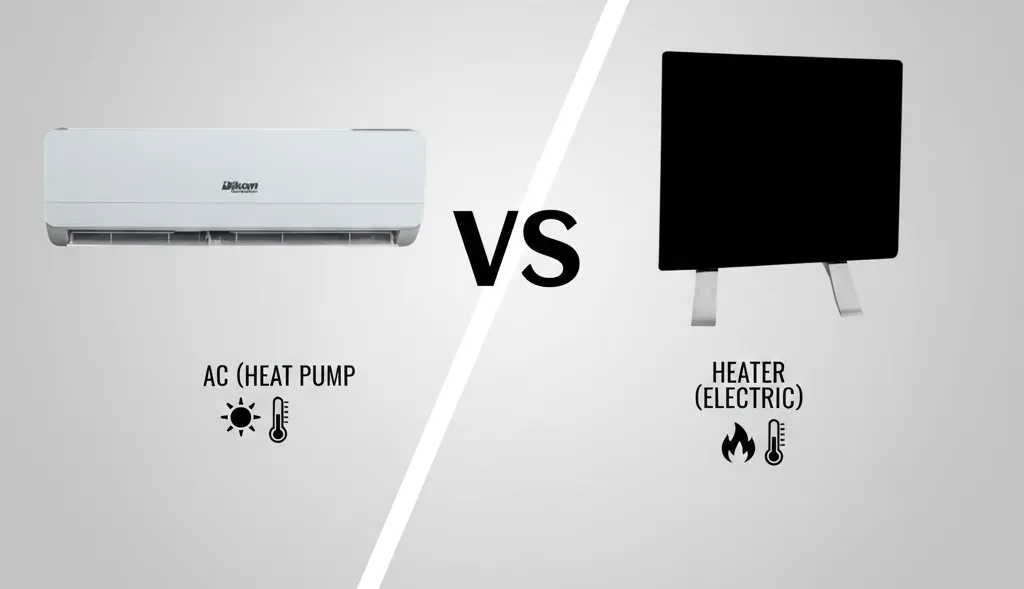
An AC not only cools in the summer but can gently heat your space in winter, spreading warmth evenly over a larger area. A heater, on the other hand, gives quick, direct warmth that’s perfect for small rooms, but it can be a bit heavier on electricity bills.
Get ready, as in this guide, we’ll break down the pros and cons of both indoor heating appliances to help you decide which is the ultimate winter companion for your space.
Here’s an overview for you
AC vs Heater: Overview
Feature
AC (Heating Mode)
Heater
Initial Cost
High
Low
Electricity Consumption
Lower (Inverter AC)
Higher
Heating Speed
Moderate
Fast
Coverage
Large rooms
Small rooms
Safety
High
Moderate
Year-round Use
Yes
No
Differenced Between AC and Heaters: Comparing Its Features
When choosing between an inverter air conditioner with heating mode and a dedicated energy-efficient panel heater, understanding how they differ in energy use, safety, and health impact is crucial. Let’s break it down:
1. Energy Use
Inverter AC / Reverse Cycle AC:
Typical home inverter ACs (1–1.5 ton) with heating mode use around 1,000–1,500 watts per hour when heating.
Because of heat pump technology, they are 3–4 times more efficient than standard heaters, meaning they provide much more heat per unit of electricity consumed.
Example: A 1.5-ton inverter AC may heat a 250–300 sq. ft. room efficiently using about 1.2 kWh per hour.
Panel Heater / Energy-Efficient Heater:
Most energy-efficient panel heaters range from 500 watts to 2,000 watts per hour depending on size and settings.
Small room heaters (like 500–800 W) are perfect for bedrooms or offices. Larger models (1,500–2,000 W) can heat living rooms but consume more electricity when used continuously.
Continuous use for several hours can noticeably increase your electricity bill.
2. Safety Considerations
AC Units:
Wall-mounted reverse cycle air conditioners are generally safer since they don’t have exposed heating elements. They also circulate air without direct heat, reducing fire hazards. However, proper installation and maintenance are critical to prevent electrical issues or refrigerant leaks.
Panel Heaters:
While portable energy-efficient panel heaters are convenient, they pose higher fire risks if placed near curtains, furniture, or flammable materials. Some models come with tip-over and overheat protection, but caution is still needed, especially in homes with children or pets.
Air Conditioners with Heating Function: The Pros and Cons
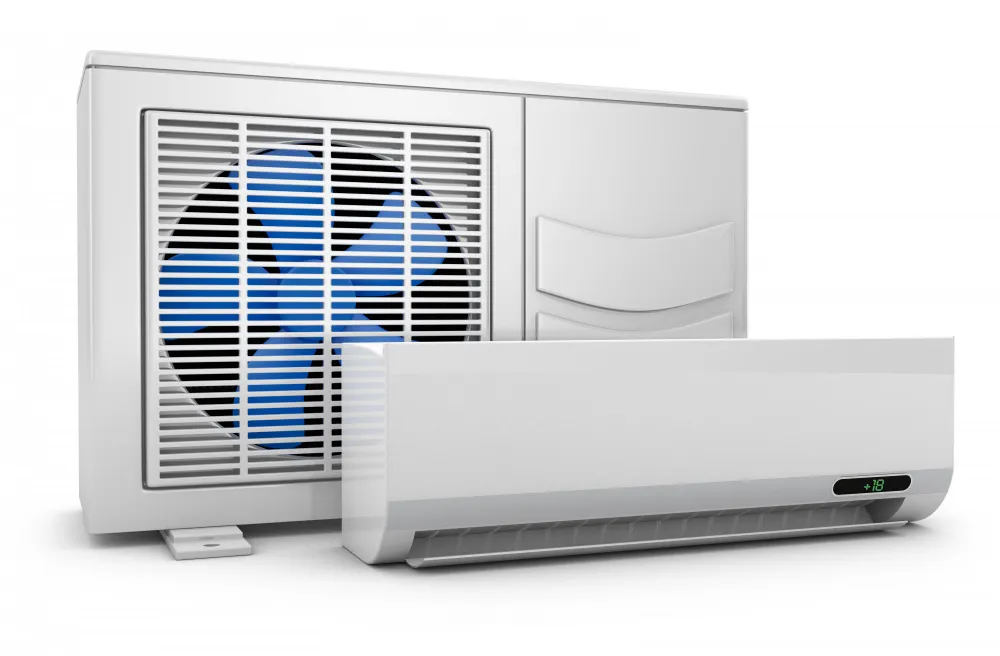
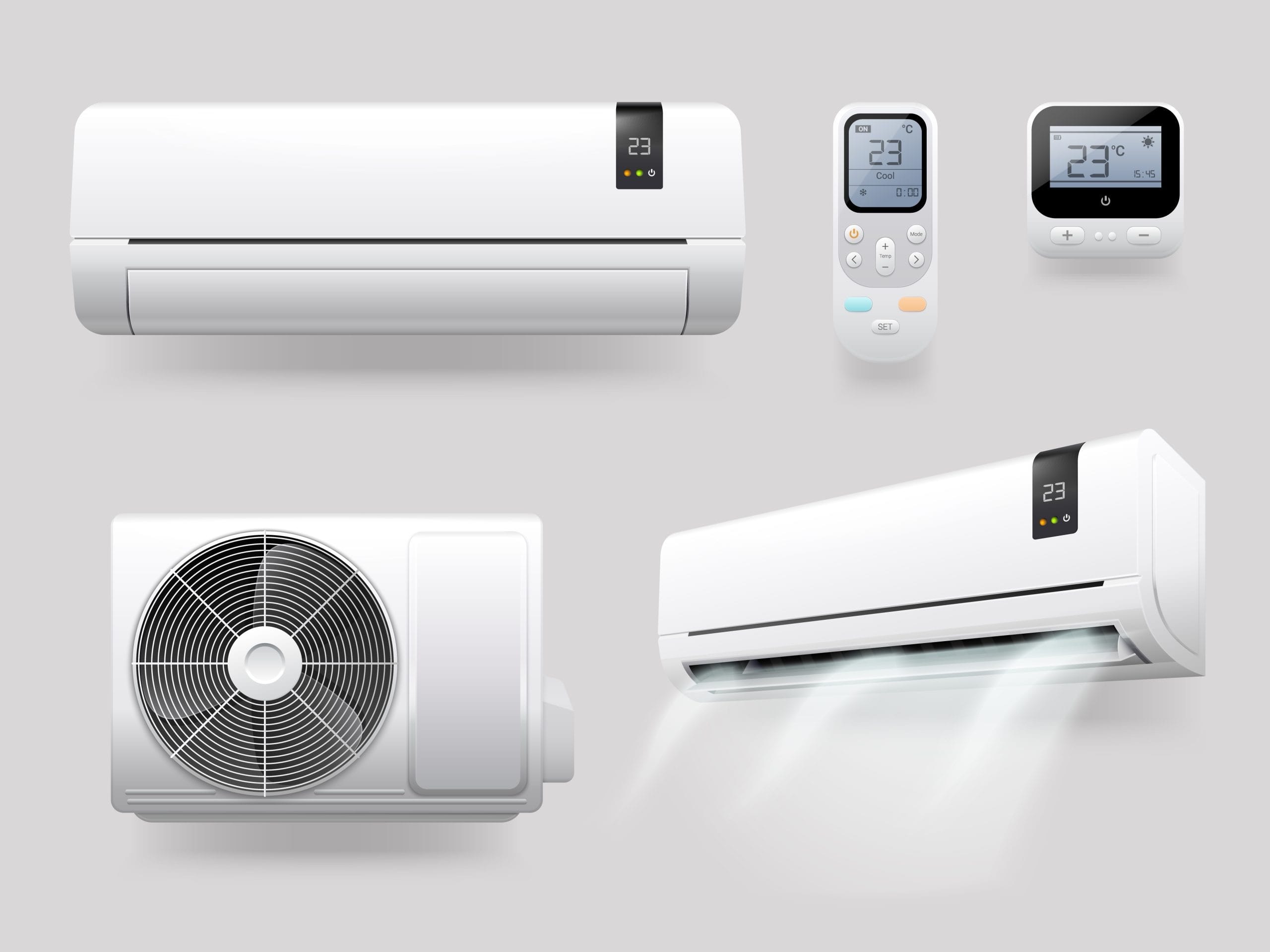
Reverse cycle air conditioners, also known as air conditioners with heating functions, are dual-purpose units that offer heating in the winter and cooling in the summer. It provides energy-efficient interior heating without producing extra electricity like conventional heaters do by using heat pump technology to draw heat from the outside air and transfer it inside. These units provide reliable heating throughout Nepal’s chilly winters and cooling during the country’s sweltering summers, making them perfect for year-round temperature management.
Advantages
Year-Round Functionality: The most compelling argument for AC units with heat pumps is their dual-season utility. Nepal’s summers can be sweltering, particularly in the Kathmandu Valley where temperatures reach 30-35°C. An AC unit serves you for at least eight months of the year, making it a versatile investment.
Energy Efficiency: Modern inverter ACs with heat pump technology are remarkably energy-efficient. They work by transferring heat rather than generating it, which means they can produce 3-4 times more heating energy than the electrical energy they consume. This efficiency can translate to lower electricity bills compared to traditional resistance heaters.
Space-Saving Design: Wall-mounted AC units don’t occupy floor space, which is particularly valuable in Nepal’s typically compact urban homes and apartments. This single unit eliminates the need for separate cooling and heating appliances.
Consistent Temperature Control: Split ACs offer precise temperature regulation with digital thermostats, maintaining your desired comfort level automatically. Many modern models also include features like sleep mode and timer functions that optimize energy use.
Disadvantages
Higher Initial Investment: Quality AC units with heating functions typically cost NPR 40,000 to 150,000 or more, depending on capacity and brand. This represents a significant upfront expense compared to basic heaters.
Performance in Extreme Cold: Heat pumps become less efficient when outdoor temperatures drop below 5°C. While this isn’t a major issue in Kathmandu Valley, it can affect performance during the coldest winter nights or in higher altitude areas.
Installation Requirements: ACs require professional installation, wall mounting, and outdoor unit placement. If you’re renting, this may not be feasible without landlord approval. Installation costs can add NPR 5,000-15,000 to your total expense.
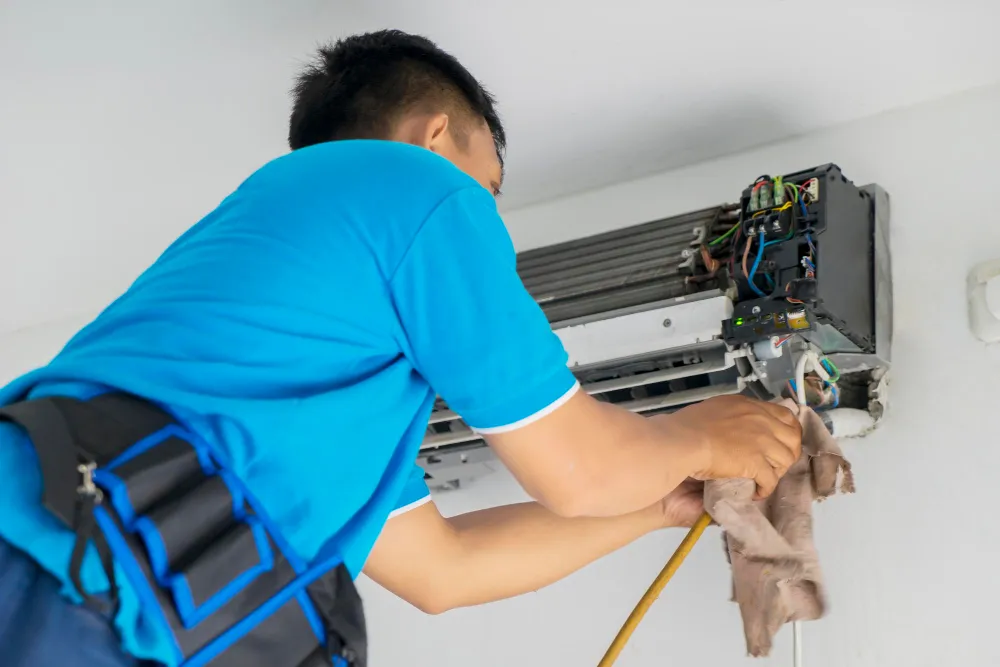
Maintenance Needs: Regular servicing, filter cleaning, and refrigerant checks are necessary to maintain efficiency. Nepal’s dusty environment means filters need frequent attention.
Dedicated Heaters: The Pros and Cons
A dedicated heater is a single-use device made especially to keep you warm in the winter. Fan heaters, oil-filled radiators, and energy-efficient panel heaters fall under this group. These heaters, which are usually used for small to medium-sized rooms and provide rapid warmth without the need for installation, directly produce heat using electricity, in contrast to air conditioners.
Advantages
Lower Purchase Cost: Electric room heaters, oil-filled radiators, and panel heaters range from NPR 2,000 to 20,000, making them accessible for most budgets. This affordability allows you to heat multiple rooms with different units if needed.
Immediate Heat Output: Unlike heat pumps that may take time to warm a room, resistance heaters and panel heaters provide instant warmth. This quick response time is ideal for Nepal’s usage patterns, where heating is often needed only during mornings and evenings.
Portability and Flexibility: Heaters can be moved between rooms as needed. Use it in the bedroom at night, then move it to the living room in the morning. This flexibility is perfect for Nepal’s family living arrangements where the whole house doesn’t need heating simultaneously.
No Installation Required: Plug in and start using immediately. This convenience is invaluable for renters or those who move frequently.
Effective in Extreme Cold: Traditional resistance heaters maintain their efficiency regardless of outdoor temperature, making them reliable even during the coldest winter nights.
Disadvantages
Single-Season Use: Heaters sit unused for 8-9 months of the year. For Nepali households, this means dedicating storage space to equipment that serves you only briefly.
Higher Operating Costs: Most electric heaters use resistance heating, which consumes significant electricity. Running a 2000W heater for several hours daily can substantially increase your electricity bill, particularly concerning given Nepal’s occasional power supply issues and tariff structures.
Safety Considerations: Heaters pose fire risks if placed near curtains, bedding, or other flammable materials. Carbon monoxide poisoning is a serious concern with gas heaters in poorly ventilated spaces. Nepal’s older homes with wooden structures require extra vigilance.
Uneven Heating: Many heaters create hot zones near the unit while leaving other areas cold. This uneven distribution can be uncomfortable in larger rooms.
Floor Space Consumption: Most heaters occupy valuable floor space, which can be challenging in smaller apartments common in urban Nepal.
Is It Cheaper to Run the AC or Heater in Nepal?
In Nepal, choosing between an AC or a panel heater depends on room size and usage. Inverter air conditioners, use heat pump technology, which makes them extremely energy-efficient and perfect for evenly heating big spaces. They usually require 1,000–1,500 watts per hour. Panel heaters are ideal for tiny spaces or temporary heating because they directly use power, consuming 500–2,000 watts per hour.
Practical Recommendations for Different Situations
Your home’s configuration, financial constraints, and comfort requirements will determine which winter solution is best for you. Whether you’re looking for a straightforward, immediate heating solution or an all-in-one cooling and heating system, at Dikom Nepal, we have a variety of inverter air conditioners with heating mode and dedicated panel heaters.
Choose an AC with Heating if:
You own your home or apartment and plan to stay long-term. An inverter or reverse cycle AC costs more upfront but saves electricity over time.
You face both hot summers and cold winters. ACs with hot and cold modes provide comfort year-round.
You want energy-efficient heating for large rooms. Modern inverter ACs use less electricity than traditional heaters.
You have limited floor space. Wall-mounted ACs save space and heat rooms evenly.
You live in moderate-altitude areas like Kathmandu, Pokhara, or Chitwan, where winters are cold but rarely freezing.
The choice between an AC and a heater for Nepal’s winter ultimately depends on your specific circumstances. Consider your budget, housing situation, climate zone, summer cooling needs, and long-term plans.
If you can afford the initial investment and need year-round climate control, an inverter AC with heating capability offers the best long-term value, particularly in Nepal’s varied climate. The energy savings over multiple winters, combined with essential summer cooling, justify the higher upfront cost for most permanent residents.
However, if you need an immediate, affordable solution, are renting, or only require heating in specific rooms during limited hours, a quality portable heater serves you well without breaking the bank. Make your winter worry-free!Talk to our Dikom experts for guidance or shop online today for the most efficient heating solutions.